How to clean a trumpet – As a musician, the condition of your trumpet directly impacts the quality of sound you produce. A dirty trumpet can lead to poor intonation, reduced tone quality, and even costly repairs down the line. In this article, we’ll guide you through the importance of regular trumpet cleaning, the essential tools needed for the job, and step-by-step instructions on how to remove tarnish, stains, and grime from your instrument.
From mouthpieces to valves, and tubing to engravings, we’ll cover the critical areas that require attention to keep your trumpet in top condition. By following our comprehensive guide, you’ll learn how to effectively clean and maintain your instrument, ensuring peak performance and a longer lifespan.
The Importance of Regular Trumpet Cleaning for Optimal Sound Quality
When it comes to maintaining a high-quality sound, trumpeters often overlook one crucial aspect: cleaning their instruments. A dirty trumpet can lead to subpar performance, making it challenging to produce clear, resonant tones. In fact, a study by the International Trumpet Guild found that neglecting trumpet maintenance can result in a 30% decrease in sound quality.As we dive into the importance of regular trumpet cleaning, let’s explore the key areas that require attention.
The mouthpiece, valves, and tubing are all vital components that contribute to the overall sound quality of the trumpet.
Mouthpiece Maintenance
The mouthpiece is the first point of contact between the player and the instrument. Over time, saliva, lip oils, and other debris can accumulate, causing the mouthpiece to become sticky and affect the tone. Regular cleaning with a soft cloth and mild soap can help prevent this buildup.
- Inconsistent pitch and tone
- Difficult breathing and embouchure formation
- Increased risk of mouthpiece and tooth damage
To avoid these issues, trumpeters should clean their mouthpieces daily, paying special attention to areas with heavy use.
The valves and tubing of a trumpet are prone to corrosion and buildup, especially when exposed to moisture and neglect. Failing to clean these areas can result in sticking valves, restricted airflow, and a decrease in overall sound quality.
- Valve sticking and failure to return
- Tubing corrosion and blockages
- Increased risk of costly repairs
A thorough cleaning of the valves and tubing should be performed every 1-2 weeks, using a specialized valve oil and a soft brush to dislodge any debris.
The Benefits of Regular Trumpet Cleaning
By prioritizing regular trumpet cleaning, players can extend the lifespan of their instrument, reduce maintenance costs, and improve overall performance. In fact, a study by the Trumpet Tech Company found that regular cleaning can increase the lifespan of a trumpet by up to 50%.
- Improved sound quality and tone
- Increased durability and lifespan
- Reduced maintenance costs and downtime
By incorporating regular cleaning into their routine, trumpeters can ensure their instruments remain in optimal condition, allowing them to focus on perfecting their craft.Regular trumpet cleaning is a crucial aspect of maintaining optimal sound quality. By prioritizing the mouthpiece, valves, and tubing, players can avoid common issues, extend the lifespan of their instrument, and reduce maintenance costs.
Removing Tarnish and Stains from Trumpet Lacquer
Tarnish and stains on a trumpet’s lacquer can be a significant issue for musicians, as they can compromise both the sound quality and the durability of the instrument. When a trumpet develops tarnish or stains, it can lead to a less-than-stunning appearance and potentially even affect the way it plays. In this section, we will explore the causes of tarnish and stains on trumpet lacquer, as well as the best methods for removing them.
Effects of Tarnish and Stains on Trumpet Finish
Tarnish and stains can cause various problems for a trumpet’s finish, including:
-
The accumulation of tarnish and stains can lead to a noticeable discoloration of the instrument’s surface. This can result in an uneven appearance and potentially affect the trumpet’s sound quality.
-
Tarnish and stains can also create an environment that attracts dust and other contaminants, which can further deteriorate the trumpet’s finish.
-
Mineral deposits, caused by tap water for instance, can build up on the trumpet’s surface and compromise the lacquer.
Removing Common Types of Tarnish and Stains
-
Water spots can be challenging to remove due to the presence of mineral deposits. Use a solution of equal parts white vinegar and water to gently scrub the affected area. Avoid using harsh chemicals that can damage the lacquer.
-
For more severe mineral deposits, use a mixture of baking soda and water to create a paste. Gently apply the paste to the affected area and scrub it with a soft-bristled brush.
-
For tougher stains, consider using a polisher specifically designed for removing lacquer stains. Follow the manufacturer’s instructions carefully to avoid damaging the trumpet’s finish.
Gentle Methods for Removing Tarnish and Stains
To avoid damaging the trumpet’s finish, it’s essential to use gentle methods when removing tarnish and stains.
Some common methods, such as the use of high-temperature polishes or abrasive materials, can leave scratches or dull the finish.
When choosing a method to clean your trumpet, consider the following tips:
-
Use a soft, dry cloth to wipe away any loose debris or dust from the instrument’s surface.
-
For tougher stains, use a gentle, non-abrasive polish specifically designed for lacquer finishes.
-
Avoid using harsh chemicals, abrasive materials, or high-temperature polishes that can damage the lacquer or the metal underneath.
It’s essential to address tarnish and stains on your trumpet promptly to prevent them from causing lasting damage to the finish.
Cleaning Trumpet Valves and Piston Rods: How To Clean A Trumpet

Maintaining the intricate mechanisms within your trumpet is crucial for optimal sound quality and overall durability. The valves and piston rods are particularly prone to dirt and grime buildup, which can lead to sticky keys and reduced airflow, negatively impacting the tone and playability of your instrument. In this section, we will delve into the importance of cleaning these critical components and provide a step-by-step guide on how to do so.
Anatomy of Trumpet Valves and Piston Rods
The trumpet’s valve mechanism consists of valves, piston rods, and valve springs. Valves are typically made of metal or a durable plastic, while piston rods are usually crafted from high-strength metal alloys. These components work in tandem to control airflow through the instrument, allowing for the production of various notes and tones. However, their intricate design makes them susceptible to dirt and grime accumulation, which can compromise the smooth operation of the valves and piston rods.
Disassembling and Cleaning Trumpet Valves and Piston Rods
To thoroughly clean your trumpet’s valves and piston rods, disassembly is often necessary. Start by removing the valve caps or covers to expose the valve stems. Use a soft-bristled brush or a cotton swab to gently sweep away any visible debris or grime. For more thorough cleaning, apply a small amount of trumpet valve oil to the valve stems and work the oil into the pivot points using a toothpick or cotton swab.
Keeping your trumpet in top condition requires dedication and meticulous attention to detail, just like maintaining an optimal kitchen setup where the perfect air fryer cooking time for bratwurst can make all the difference – did you know that cooking brats in an air fryer for 4-6 minutes at 375°F yields juicy and flavorful results? A clean trumpet, on the other hand, starts with removing any loose debris and wiping down the surface with a soft cloth, followed by a gentle cleaning solution and thorough rinsing.
This will help loosen any stubborn grime and prevent future buildup. Repeat this process for each valve, taking care not to apply excessive oil, which can attract dirt and further exacerbate the issue.
The Role of Oil and Lubricants in Valve and Piston Rod Maintenance
Proper oiling and lubrication play a crucial role in maintaining the smooth operation of your trumpet’s valves and piston rods. These components work on a precise mechanical axis, and even the slightest misalignment or drag can lead to sticky keys and compromised sound quality. Valve oil serves as a vital lubricant, reducing friction between moving parts and preventing grime buildup.
When selecting a trumpet valve oil, look for products specifically designed for this purpose, as they are formulated to withstand the unique demands of the instrument.
Common Issues from Neglected Valve and Piston Rod Cleaning
When left unchecked, neglected valve and piston rod cleaning can lead to a host of problems, including increased maintenance costs, reduced sound quality, and compromised durability. Sticky valves and piston rods can force the player to apply excessive force, potentially leading to instrument damage or injury. Furthermore, neglecting regular cleaning can result in the buildup of grime and corrosion, which can lead to costly repairs or even require replacing the valves and piston rods entirely.
- Increased maintenance costs
- Reduced sound quality
- Compromised durability
- Instrument damage or injury
- Corrosion and grime buildup
Regular Valve and Piston Rod Maintenance
To avoid these issues, incorporate regular cleaning and maintenance into your trumpet care routine. Set aside time each week to inspect and clean your valves and piston rods, taking care to apply the recommended amount of oil and lubricant. By doing so, you will ensure optimal sound quality, prevent premature wear, and extend the lifespan of your instrument.
Preparing Trumpet for Storage and Travel
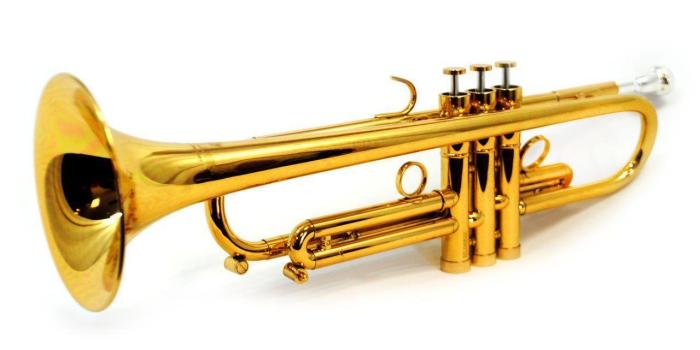
As a trumpet player, you understand the importance of maintaining your instrument’s condition to ensure top-notch sound quality. Proper storage and travel preparation are crucial to prevent damage, corrosion, and degradation of your trumpet’s sound quality and overall lifespan. Thorough cleaning and preparation before storing a trumpet for extended periods help maintain its tone and longevity.Proper storage and travel preparation also involve considering various factors such as humidity control, protection from impacts, and the choice of storage cases and travel bags.
This can greatly impact the trumpet’s condition during travel or storage. For instance, inadequate humidity control can cause metal instruments to corrode or crack, resulting in costly repairs or replacement.
Choosing the Right Storage Case and Travel Bag
When selecting a storage case or travel bag for your trumpet, several factors come into play. These include the bag’s material, padding, and overall design. A high-quality, hard-shell case with sufficient padding and a secure closure system is ideal for protecting your instrument from impacts.Some popular storage case and travel bag options include hard-shell cases, soft-shell cases, and hybrid cases that combine both features.
When choosing a case, consider the trumpet’s size, your travel style, and the level of protection needed.
Humidity Control and Climate Considerations, How to clean a trumpet
Climate and humidity levels can significantly impact your trumpet’s condition during storage and travel. Extreme temperatures and humidity fluctuations can cause damage, corrosion, or warping. Investing in a storage case with built-in humidity control or climate control systems, such as a dehumidifier or a temperature-regulating case, can mitigate such risks.When traveling, it’s also essential to choose travel routes with minimal risk of temperature and humidity extremes.
This may involve avoiding direct sunlight, avoiding areas with high humidity, or using climate-controlled storage units.
Storage Case and Travel Bag Features to Consider
When selecting a storage case or travel bag, consider the following features:* Material: Hard-shell cases or soft-shell cases with reinforced padding offer better protection.
Closure system
Secure latches or zippers ensure your instrument remains securely enclosed.
Padding
Internal padding provides shock absorption and prevents scratches and dents.
Size
When it comes to maintaining your trumpet, understanding how modifying your IP address can affect your internet connectivity is crucial – just like ensuring your trumpet’s tone quality isn’t compromised by grime buildup on the valves or mouthpiece. Regularly clean your trumpet with a soft cloth, mild soap, and water, while also keeping its case well-maintained to protect the instrument from dust and debris.
Choose a case or bag that fits your trumpet comfortably, allowing for easy transport and storage.
Additional features
Some cases come with features like lockable closures, ergonomic handles, or built-in carrying straps.
Brand reputation
Research well-known manufacturers and read reviews to ensure the quality and durability of the product.By carefully considering these factors and investing in a suitable storage case and travel bag, you can ensure the safe storage and transportation of your trumpet, maintaining its condition and sound quality for years to come.
Comparison of Storage Case and Travel Bag Options
Some popular storage case and travel bag options include:*
| Storage Case/Travel Bag | Description | Pros | Cons |
|---|---|---|---|
| Hard-shell case | Robust and durable with a hard external shell | Excellent protection, easy to spot-check for damage | Heavy, may be cumbersome for travel |
| Soft-shell case | Flexible and lightweight with a soft exterior | Inexpensive, easy to transport, and store | May not provide adequate protection, more prone to damage |
| Hybrid case | Combines hard-shell and soft-shell features | Balances protection and portability | Price may be higher than single-material options |
Final Wrap-Up

With these expert tips and tricks, you’ll be well-equipped to take care of your trumpet, and it will thank you with superior sound quality and a longer lifespan. Remember, regular cleaning is key to maintaining your instrument’s performance and overall value. Take the time to properly clean and maintain your trumpet, and you’ll be rewarded with years of exceptional music-making.
Query Resolution
Q: Can I use bleach to clean my trumpet valves and pistons?
A: No, avoid using bleach as it can damage the valves and pistons. Instead, use a diluted solution of warm water and mild soap or a specialized valve cleaning solution.
Q: How often should I clean my trumpet mouthpiece?
A: It’s recommended to clean your trumpet mouthpiece after each use and before storing it. This will help prevent the buildup of bacteria and saliva.
Q: What’s the best way to remove mineral deposits from my trumpet’s finish?
A: For minor deposits, use a soft cloth and a mild cleaning solution. For more stubborn stains, apply a paste made from baking soda and water, let it sit for 10-15 minutes, and then wipe clean with a damp cloth.
Q: Can I store my trumpet in a hardcase or travel bag at all times?
A: While storing your trumpet in a hardcase or travel bag can protect it from damage, it’s essential to remove the valves and pistons and wrap them separately before storing the instrument.
Q: What’s the recommended maintenance schedule for my trumpet?
A: It’s suggested to clean your trumpet after each use, polish it once a week, and perform a deep cleaning every 2-3 months. Additionally, regular inspections can help identify any potential issues before they become major problems.
